
Storyboards That Raise Managerial Confidence

The Picture Superiority Advantage
Research on the picture superiority effect shows images are remembered more reliably than text alone, especially under stress. When a manager faces a tense feedback moment, recalling a drawn frame with facial cues, seating, and opening lines beats a hazy checklist every time.
Making Ambiguity Concrete
Ambiguous goals like be clear yet kind become concrete when sketched as two panels: one with rushed hallway talk, another with a calm room and shared agenda. Managers compare outcomes, notice triggers, and choose setups that protect dignity while delivering unmistakable messages.
Empathy Through Perspective Shifts
Storyboards invite managers to draw scenes from the employee’s vantage point: what they see, fear, and hope. That simple shift reduces defensiveness, increases accountability, and builds wording that lands as care, not attack, even when performance standards are nonnegotiable and timelines are tight.

Designing Coaching Storyboards That Teach Decisions

Openings That Lower Defensiveness
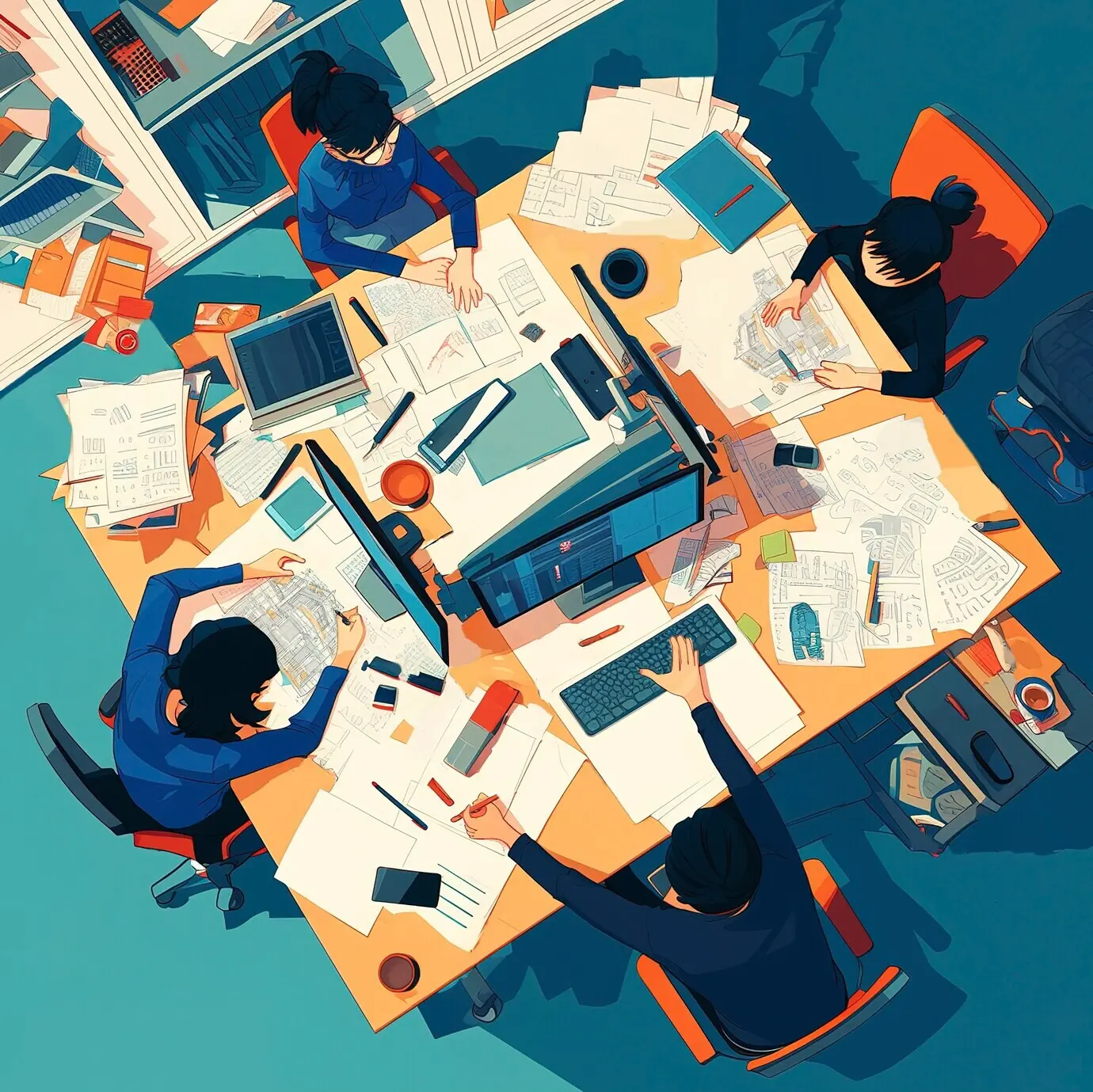
Coaching Micro-Skills in Sequence
Handling the Hardest Moments With Care
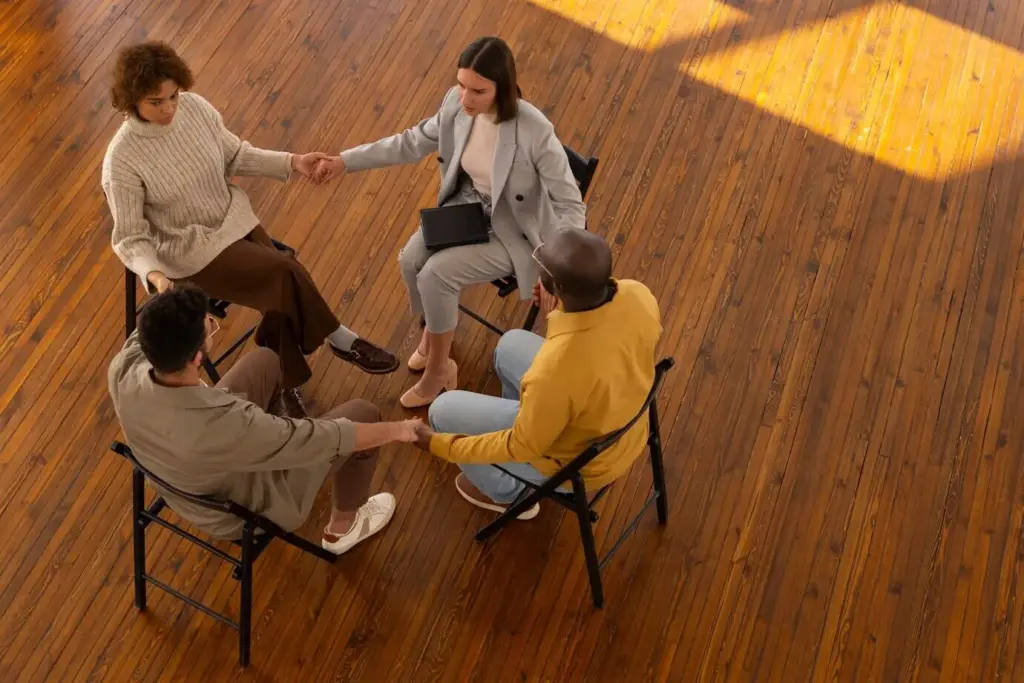
Defusing Defensiveness in Real Time

Fairness, Boundaries, and Consequences
Adapting for Remote and Hybrid Teams
Tools, Templates, and Etiquette
Share a lightweight template with layers for context, dialogue, and choices. Encourage cameras on when possible, captions always, and a warm-up round sketch your meeting room. Version control and anonymous mode reduce self-consciousness, enabling honest practice and feedback across time zones and cultures.
Inclusive, Accessible Storyboards
Design with accessibility in mind: high-contrast palettes, alt text for images, readable fonts, and transcripts. Include cultural considerations for gestures and eye contact. This care invites participation from more voices, enriching the scenarios and preventing blind spots that derail well-meaning coaching efforts.
Asynchronous Practice That Sticks
Schedule micro-challenges: watch a two-minute clip, sketch a response panel, post a voice note, then vote on alternatives. Spaced repetition and small social commitments build habit strength, while coaches curate standout examples into a living gallery managers revisit before high-stakes conversations.